May 7, 2026
Choosing between asphalt and concrete is one of the most important decisions for any driveway, parking lot, roadway, or commercial surface project. Each material offers distinct advantages in terms of cost, durability, installation speed, maintenance, and appearance. For property owners seeking a balance between affordability and long-term performance, asphalt paving often stands out as a highly practical solution, while concrete may appeal to those prioritizing longevity and decorative flexibility. The right choice depends on your budget, climate, traffic demands, and design goals. By comparing the most important factors side by side, it becomes easier to determine which material best supports your property's immediate needs and future value.
Comparing Costs and Long-Term Value
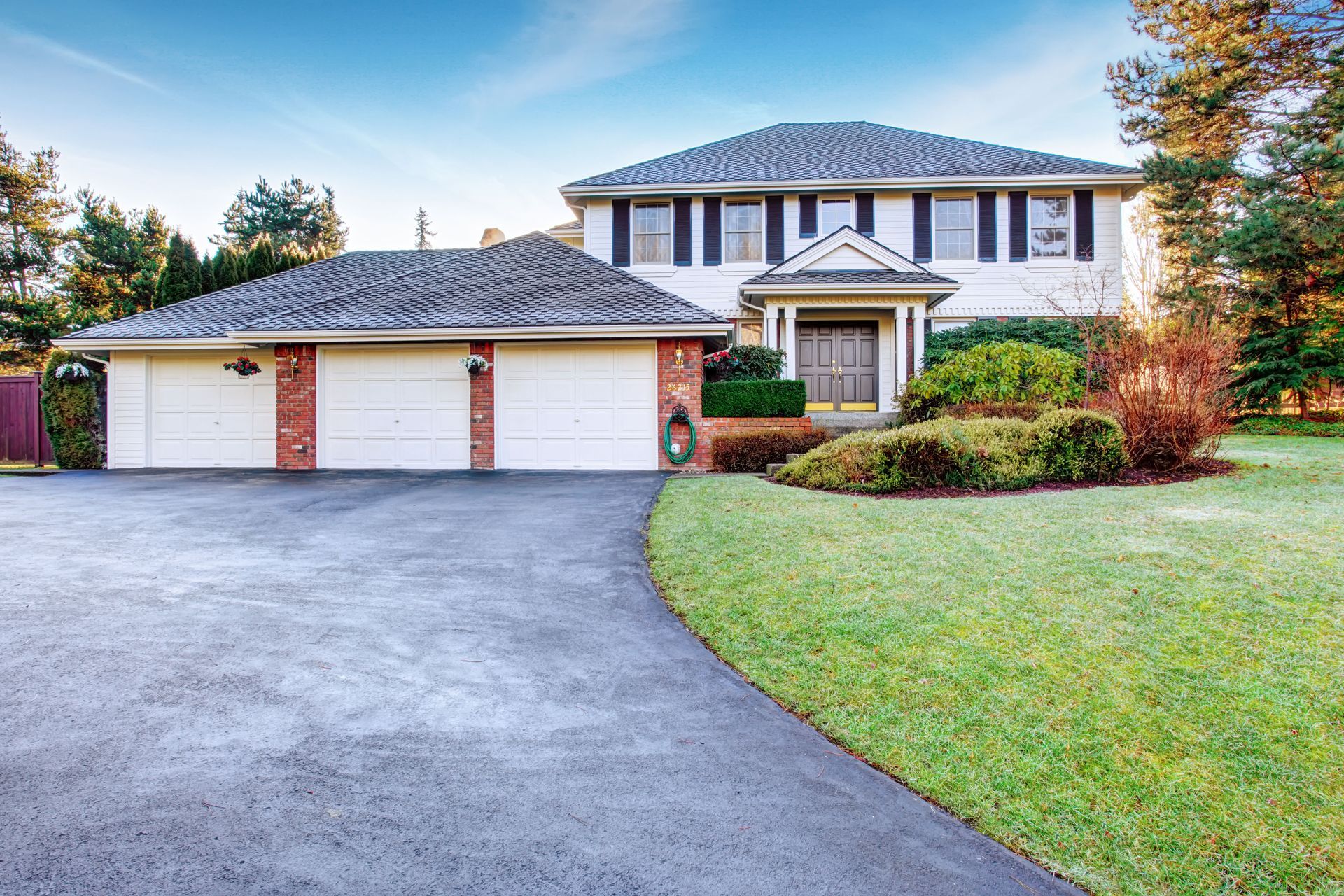
Cost is often the first factor considered when selecting a paving material. Asphalt is generally more affordable at the start of a project, making it a popular option for homeowners and businesses that need a reliable surface without a high upfront investment. Material costs, labor, and faster installation timelines all contribute to its lower initial price point. Concrete, by comparison, usually requires a larger initial investment because of higher material expenses and a more labor-intensive installation process, which can increase total project costs early on.
While initial pricing is important, long-term value should also be part of the decision. Asphalt paving may require periodic seal-coating, crack filling, and resurfacing over the years, but these services are typically manageable and cost-effective. Concrete often lasts longer before major replacement is needed, though repairs can be more expensive and visually noticeable when damage does occur. When evaluating total lifetime cost, the decision often comes down to whether lower upfront spending or fewer long-term repairs is the greater priority for the property owner.
For large-scale projects such as commercial parking lots, private roads, or community developments, the economic advantage of asphalt becomes even more significant. Faster installation reduces labor hours and minimizes business disruption, which can translate into additional savings. Concrete may still be the preferred choice in certain high-load environments, but for many applications, asphalt delivers strong value by combining affordability, durability, and efficient project timelines, making it a dependable long-term investment.
Evaluating Durability and Performance
Durability plays a major role in determining the better paving option. Asphalt is known for its flexibility, which allows it to expand and contract more easily with temperature changes. This makes it especially beneficial in regions that experience seasonal weather fluctuations, freeze-thaw cycles, or shifting ground conditions. Its ability to absorb movement helps reduce the likelihood of severe cracking compared to more rigid materials, improving performance and lifespan over time.
Concrete offers exceptional strength and often boasts a longer lifespan under the right conditions. In stable climates and areas with consistently heavy loads, it can remain structurally sound for decades. However, its rigidity can make it more vulnerable to cracking when exposed to soil movement, temperature extremes, or improper sub-base preparation. Once cracks appear, repairs may be more visible and sometimes require section replacement rather than simpler patching methods.
Traffic patterns also influence performance. For residential driveways and moderate-use surfaces, both materials can perform well when professionally installed. In high-traffic commercial spaces, the flexibility of asphalt often helps it withstand daily vehicle stress more effectively. The best choice depends on how the surface will be used, local climate conditions, and the quality of the installation process.
Installing for Efficiency and Reliability
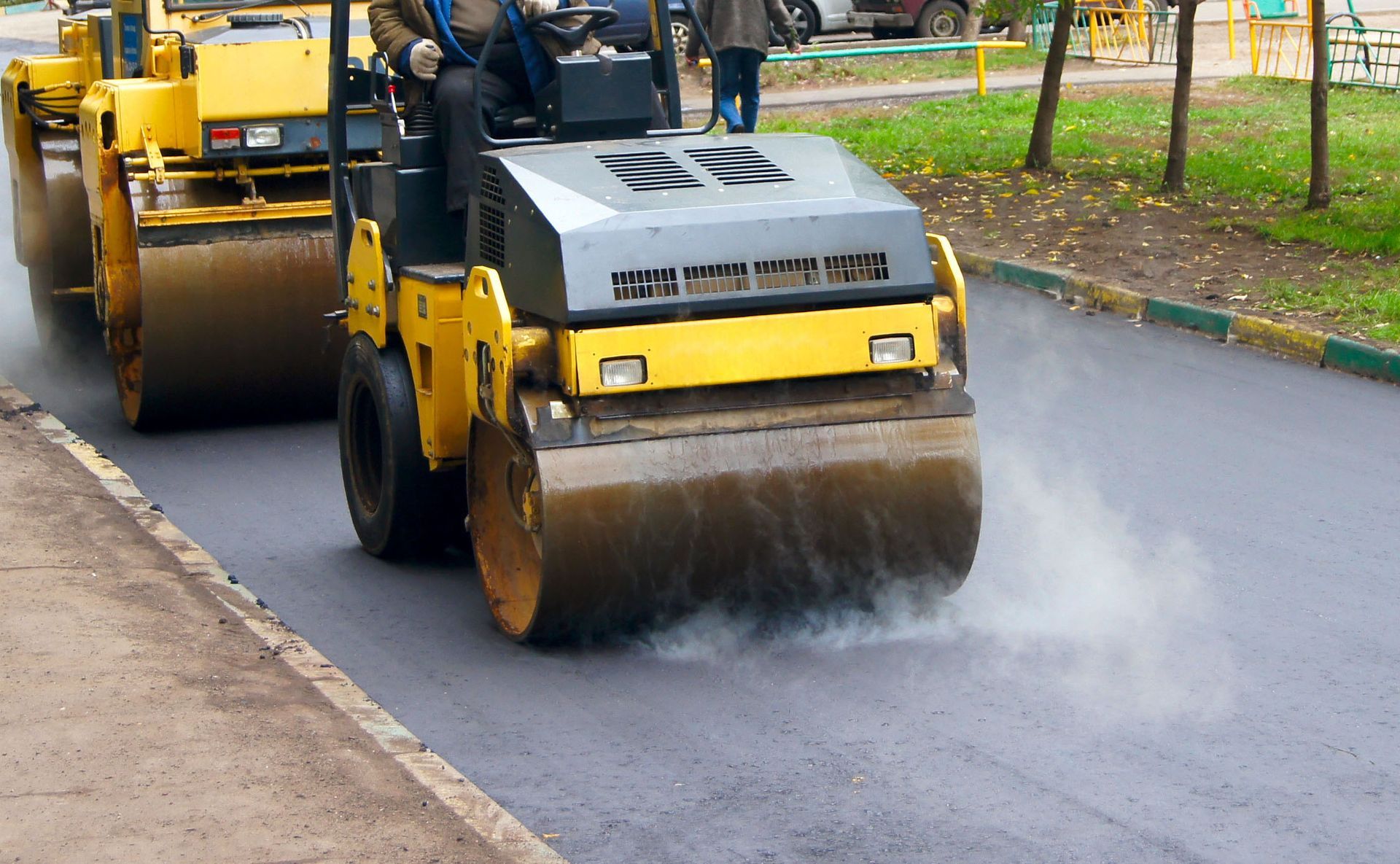
Installation time can significantly impact project scheduling and property access. One of the strongest advantages of asphalt paving is its speed of installation. In many cases, surfaces can be installed and ready for use much faster than concrete alternatives. This is particularly beneficial for businesses that need to limit downtime or homeowners who want to restore access to their driveway quickly.
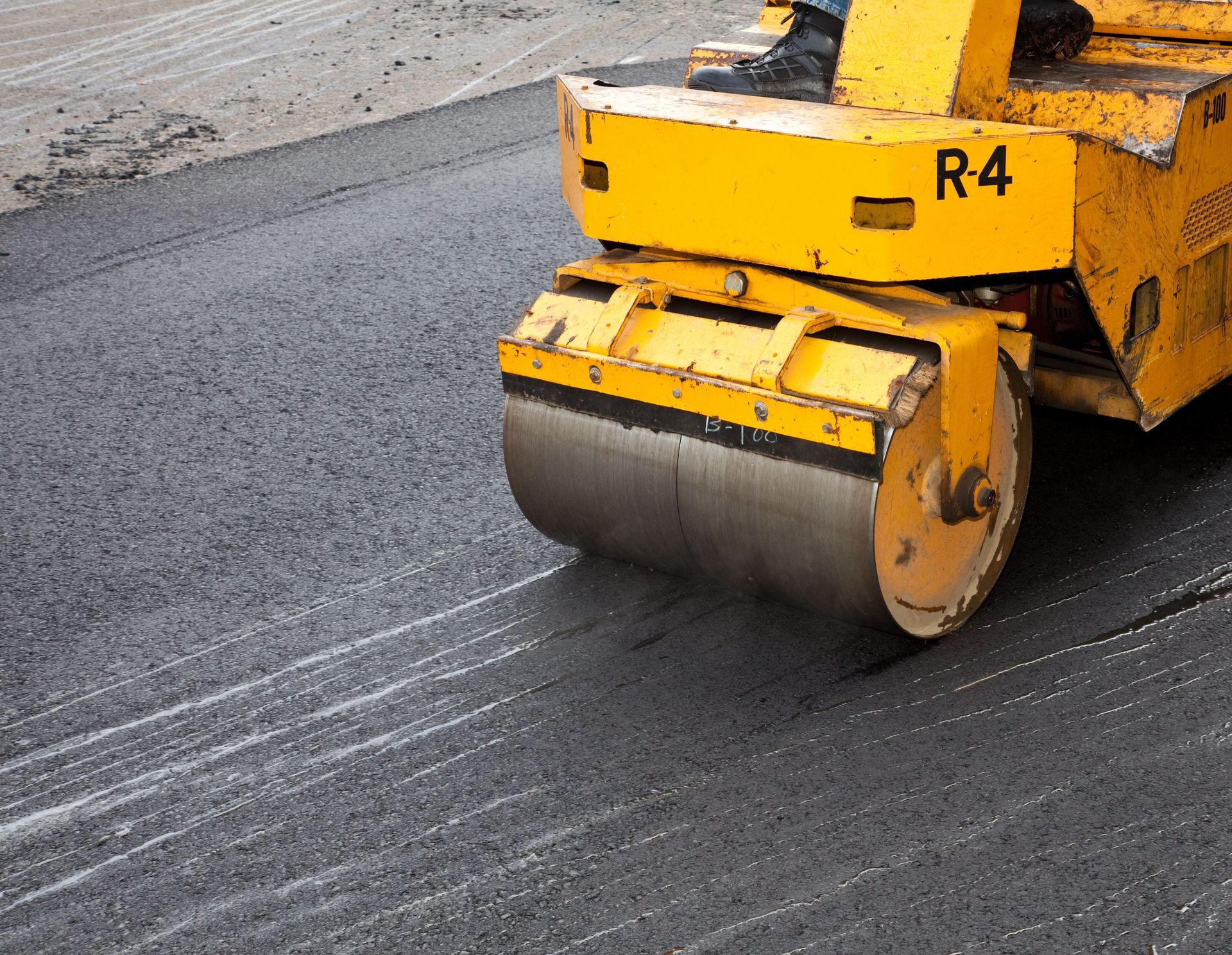
Surface preparation remains essential regardless of the material selected. A stable, properly compacted base is critical to long-term performance. Without this foundation, both asphalt and concrete can develop premature cracks, uneven settling, or drainage issues. Professional grading and compaction help ensure that the finished surface remains level, durable, and resistant to water intrusion.
Seasonal timing also matters. Asphalt is generally best installed during warmer weather because temperature affects compaction and curing. Concrete can be poured in a wider range of conditions, but extreme cold or heat still affects curing times and strength development. Working with experienced paving professionals ensures that the chosen material is installed under the right conditions for maximum longevity and structural integrity.
Considering Environmental and Climate Factors
Environmental impact is becoming an increasingly important consideration in modern paving decisions. Asphalt remains a strong option because it is highly recyclable and can often incorporate reclaimed materials into new surfaces. This helps reduce waste and supports more sustainable construction practices. Many projects now use recycled asphalt components without compromising quality or performance. Climate and heat retention are also important factors. According to the EPA, conventional paving materials such as asphalt can reach surface temperatures up to 152F at mid-day, while the surface temperature of cool pavements remained 10 to 16F cooler.
This fact highlights the role surface materials play in heat absorption and surrounding temperatures. In urban or commercial settings where heat buildup is a concern, lighter or specially engineered paving systems may offer benefits. Still, asphalt paving continues to be widely selected because of its recyclability, cost efficiency, and proven performance in a wide range of climates, traffic conditions, and seasonal weather patterns throughout the year.
Drainage should also be carefully considered. Proper slope design, grading, and runoff planning are essential for preventing standing water and premature deterioration. Regardless of the chosen material, thoughtful design helps protect both the paved surface and the surrounding landscape from erosion and moisture-related damage, helping preserve long-term structural integrity and appearance.
Maintaining Appearance and Lifespan
Maintenance requirements often influence the final decision between asphalt and concrete. Asphalt typically requires periodic seal-coating to preserve its smooth finish, rich color, and weather resistance. This routine service helps protect the surface from UV damage, moisture penetration, and oxidation, all of which can shorten lifespan if left unaddressed, especially in areas with heavy traffic and changing weather conditions.
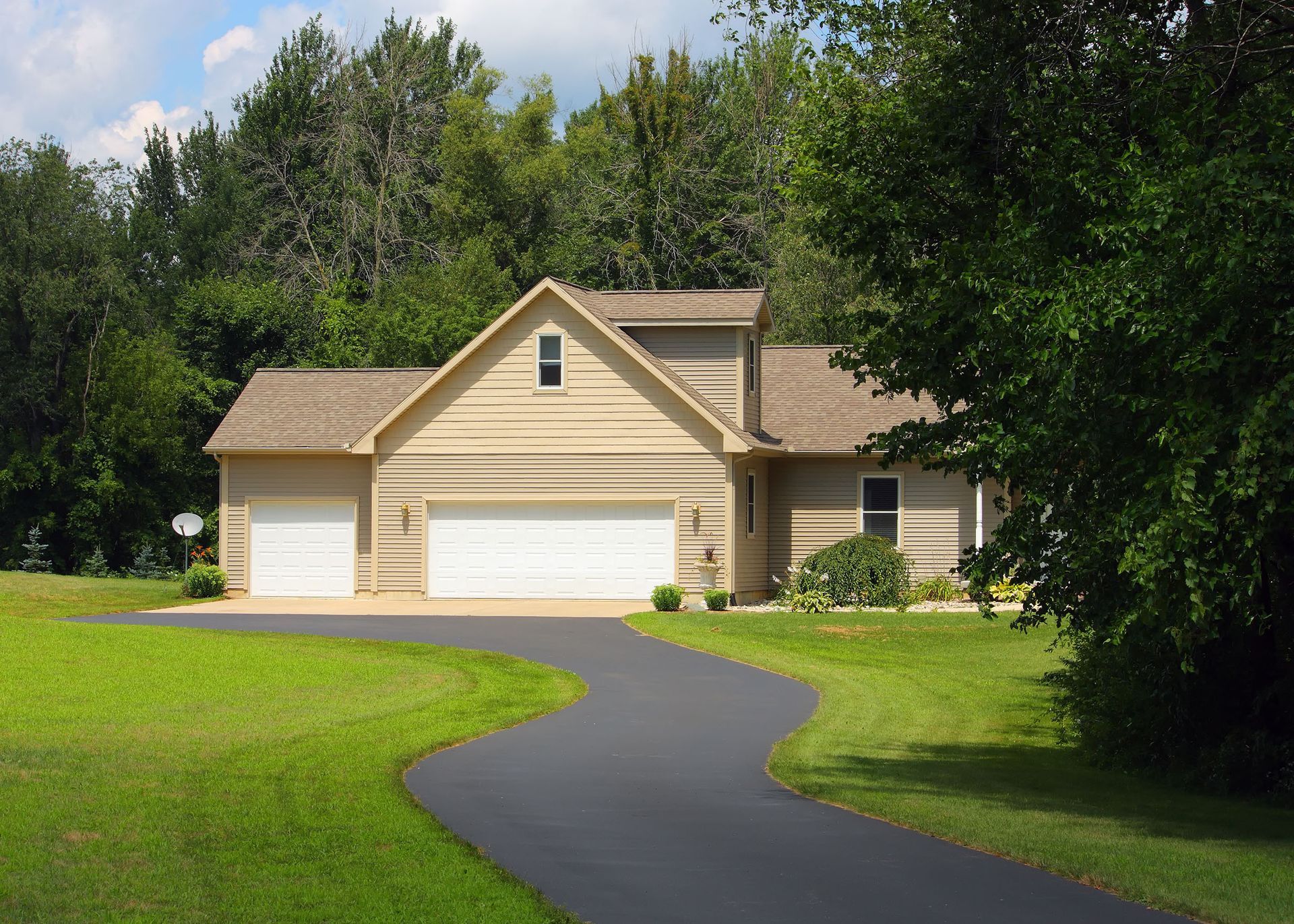
One advantage of asphalt paving is that repairs are generally straightforward. Small cracks can be filled, worn areas can be resurfaced, and damaged sections can often be patched quickly without replacing the entire surface. This ease of maintenance helps extend service life while keeping repair costs more predictable over time and minimizing disruptions to daily property use.
Concrete may require less frequent routine maintenance, but when damage does occur, repairs can be more involved and more visually noticeable. For property owners who value a clean, uniform appearance with manageable upkeep, asphalt often provides an appealing balance of aesthetics and serviceability. Regular inspections, prompt repairs, and professional maintenance remain key to maximizing lifespan for either material.
Both asphalt and concrete offer strong benefits, but the better choice depends on your priorities. If budget, installation speed, repair simplicity, and flexibility in changing weather conditions matter most, asphalt often proves to be the more practical option. Concrete may be better suited for projects where maximum lifespan and decorative design options take precedence. Evaluating cost, climate, traffic demands, environmental considerations, and maintenance expectations will help ensure the best long-term result for your property. For more information about the services that we offer, reach out to our incredible team at United Paving & Masonry today!