October 22, 2026
Masonry is one of the oldest construction techniques known to man, offering both practical and aesthetic benefits that enhance the quality of residential spaces. The incorporation of masonry into hardscaping design provides a solid foundation that not only improves durability but also boosts property values and aesthetic appeal. Let's explore the myriad ways in which masonry can transform a home, from its energy efficiency benefits to its fire resistance properties, making it a formidable choice for any homeowner.
1. Durability and Longevity
Understanding the Lifespan of Masonry
Masonry is renowned for its exceptional durability and longevity, often outlasting the people who build with it. A well-constructed masonry structure can stand for centuries, evolving with the eras while maintaining its integrity. This extended lifespan means that masonry homes require less frequent rebuilding or renovation, translating into long-term savings for homeowners. The dense nature of materials used in masonry, such as brick and stone, contributes to this longevity, providing resistance to environmental and physical stressors. By choosing masonry for hardscaping, homeowners invest in a legacy that can be passed down through generations.
Comparing Masonry with Other Building Materials
When compared to alternative building materials like wood or vinyl, masonry stands out due to its robustness and minimal maintenance requirements. Wood, for instance, is susceptible to rot, pests, and fire, whereas masonry resists many of these common threats due to its inorganic composition. Even among its most advanced contemporaries, masonry excels in providing a lifelong structure that requires significantly less care and upkeep.
The universal appeal of masonry materials is evidenced by their consistent use across varied environments and cultures, each recognizing their intrinsic value. According to the U.S. Bureau of Labor Statistics, masonry contractors employed approximately 149,000 workers in May 2025, showcasing the material's continued demand and reliability.
Maintenance Tips for Lasting Structures
Though masonry is known for its low maintenance requirements, periodic inspections and simple care can prolong its life even further. Regular cleaning to remove dirt and grime can prevent any superficial damage from escalating into a more serious issue. It's also important to inspect mortar joints, repairing them when necessary to maintain structural integrity. Sealing masonry surfaces can protect against water penetration in areas with severe weather conditions, ultimately preventing potential deterioration. By adopting these maintenance practices, homeowners ensure that their masonry hardscaping remains as formidable and beautiful as it was on the day it was built.
2. Low Maintenance Requirements
Effortless Cleaning and Upkeep
One of the most appealing features of masonry is its minimal upkeep, allowing homeowners to enjoy their space rather than constantly maintaining it. Brick, stone, and concrete hardscaping require only occasional rinsing to keep them looking pristine and prevent the growth of mildew or mold. Even with less frequent maintenance, masonry remains resilient and aesthetically pleasing, a testament to its durability. Simple preventative measures, such as sealing surfaces, help in maintaining the masonry's original condition without demanding excessive effort. This low maintenance requirement makes masonry an economical and attractive choice for those looking to invest in a hassle-free home.
Weather Resistance
Masonry's inherent toughness enables it to withstand severe weather conditions without compromising structural integrity. It is resistant to storms, hurricanes, and other natural elements, offering peace of mind to homeowners in vulnerable regions. The material's density acts as a formidable barrier against wind and water, preventing moisture penetration and associated damage. Additionally, masonry doesn't warp or swell with changes in humidity, maintaining its shape and support through seasonal shifts. This resilience not only extends the lifespan of the home but also ensures that repairs due to weather-related incidents are minimal, which is a significant financial and emotional relief for homeowners.
Pest and Rot Resistance
Masonry materials are impervious to pests such as termites and rodents, which are common problems in structures made from wood. This resistance is due to their inorganic nature, making them unpalatable and impenetrable to these destructive creatures. Homeowners in areas prone to pest infestation find solace in masonry's natural ability to safeguard their sanctuaries against unwanted invaders. Similarly, masonry doesn't rot or degrade over time like organic materials, offering a reliable defense against time and the elements. This protection ensures the longevity and safety of the home, maintaining its value and condition over the decades.
3. Enhanced Aesthetic Appeal
Diverse Design Options
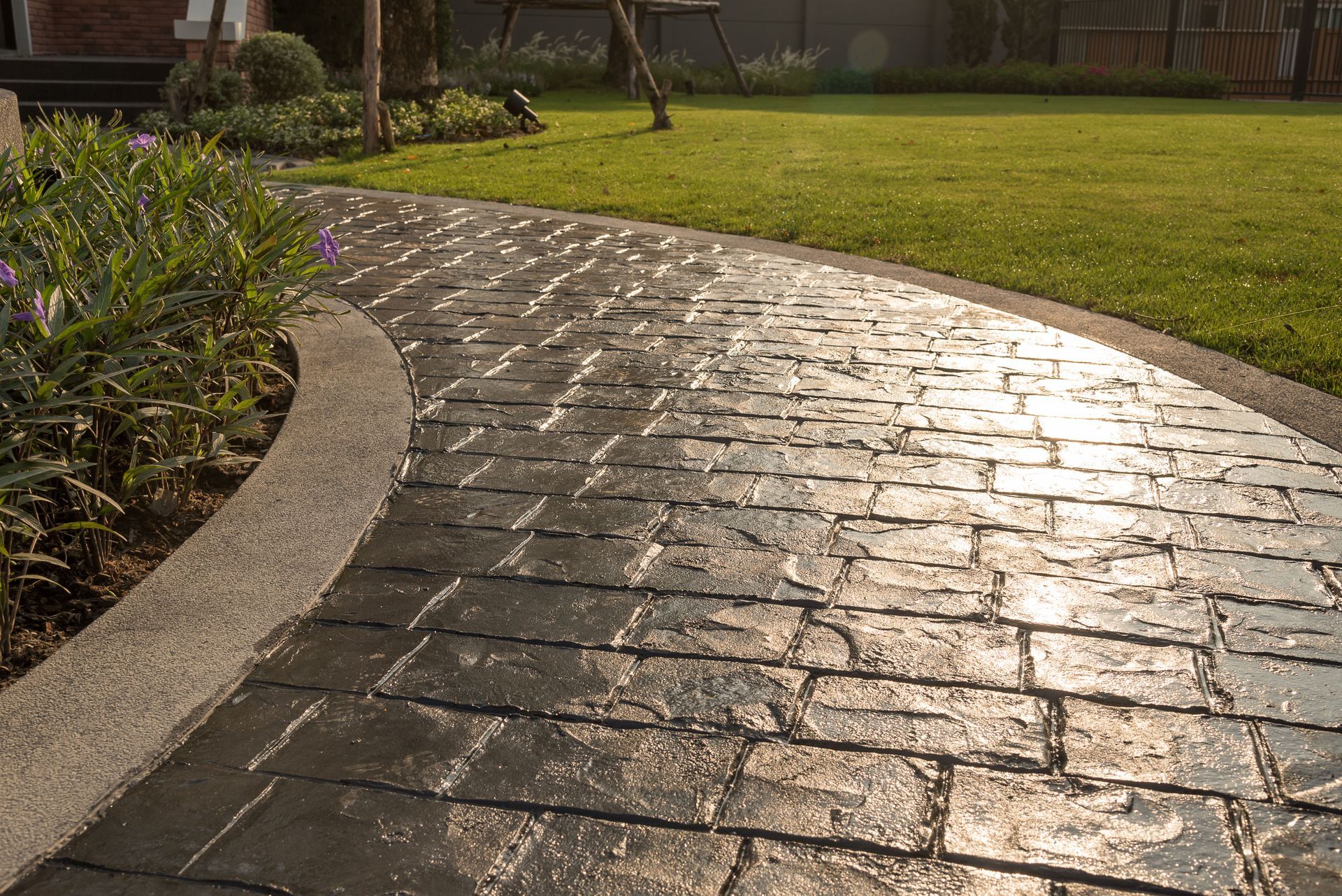
Masonry provides endless design possibilities, allowing homeowners to tailor their spaces to reflect personal styles and preferences. The range of available colors, textures, and patterns can complement any design vision, whether traditional or modern. By utilizing diverse masonry techniques, such as ornate brickwork or sleek stone finishes, homeowners can create striking visual appeal that makes their hardscaping stand out. Customization is further fostered by contemporary advancements, mixing different masonry styles to achieve unique aesthetics. This versatility makes masonry an attractive option for anyone who wants to express their creativity and enhance their home's visual allure.
Integrating Masonry With Modern Architecture
Modern architecture and masonry are not mutually exclusive; in fact, they blend seamlessly to create striking contemporary designs. By integrating masonry into modern blueprints, architects can achieve a sophisticated marriage between tradition and innovation. Sleek lines and minimalist designs are enhanced with subtle masonry elements, adding depth, texture, and interest to otherwise simple structures. This harmony between old and new does not just cater to aesthetic preferences but also meets functional needs, offering durable, sustainable solutions. Through thoughtful design and innovative techniques, masonry continues to push the boundaries of architectural possibilities and redefine residential architecture.
Adding Value Through Visual Appeal
In addition to its practical benefits, the aesthetic value of masonry significantly enhances the appeal of a home, which can play a critical role in market valuation. A well-designed masonry exterior can attract potential buyers and appraisers alike, increasing the market competitiveness of the property. Beyond curb appeal, cohesive interior masonry can create inviting and stylish living spaces, translating to increased market interest and value. The perceived prestige of masonry aligns with consumer trends favoring durable and aesthetically pleasing construction. As a result, investing in masonry not only enriches everyday living experiences but also ensures long-term financial appreciation.
4. Increased Property Value
Masonry as an Investment
Investing in masonry is not just a choice for immediate improvement but a strategic financial decision that can yield significant returns. Masonry's enduring appeal and practical benefits contribute to higher appraised property values, making it a valuable addition to any real estate portfolio. The robust nature of masonry ensures low depreciation, retaining its value better than many other materials. In competitive real estate markets, masonry homes stand out for their timeless appeal and structural integrity, often achieving higher sales prices. For homeowners, this means that the money spent on masonry often results in a return on investment when it comes time to sell.
Real Estate Market Views on Masonry
The real estate industry consistently recognizes masonry for its contribution to property appeal and value. Both buyers and sellers view masonry as a premium feature that promises durability, low maintenance, and aesthetic advantages. Real estate professionals frequently highlight masonry as a selling point due to its long-term benefits, appealing to buyers' desires for quality and lasting structures. Masonry's reputation in the market is backed by years of proven performance and satisfaction among homeowners. As such, incorporating masonry into hardscaping is seen as a smart move for increasing desirability and market value.
The Role of Curb Appeal
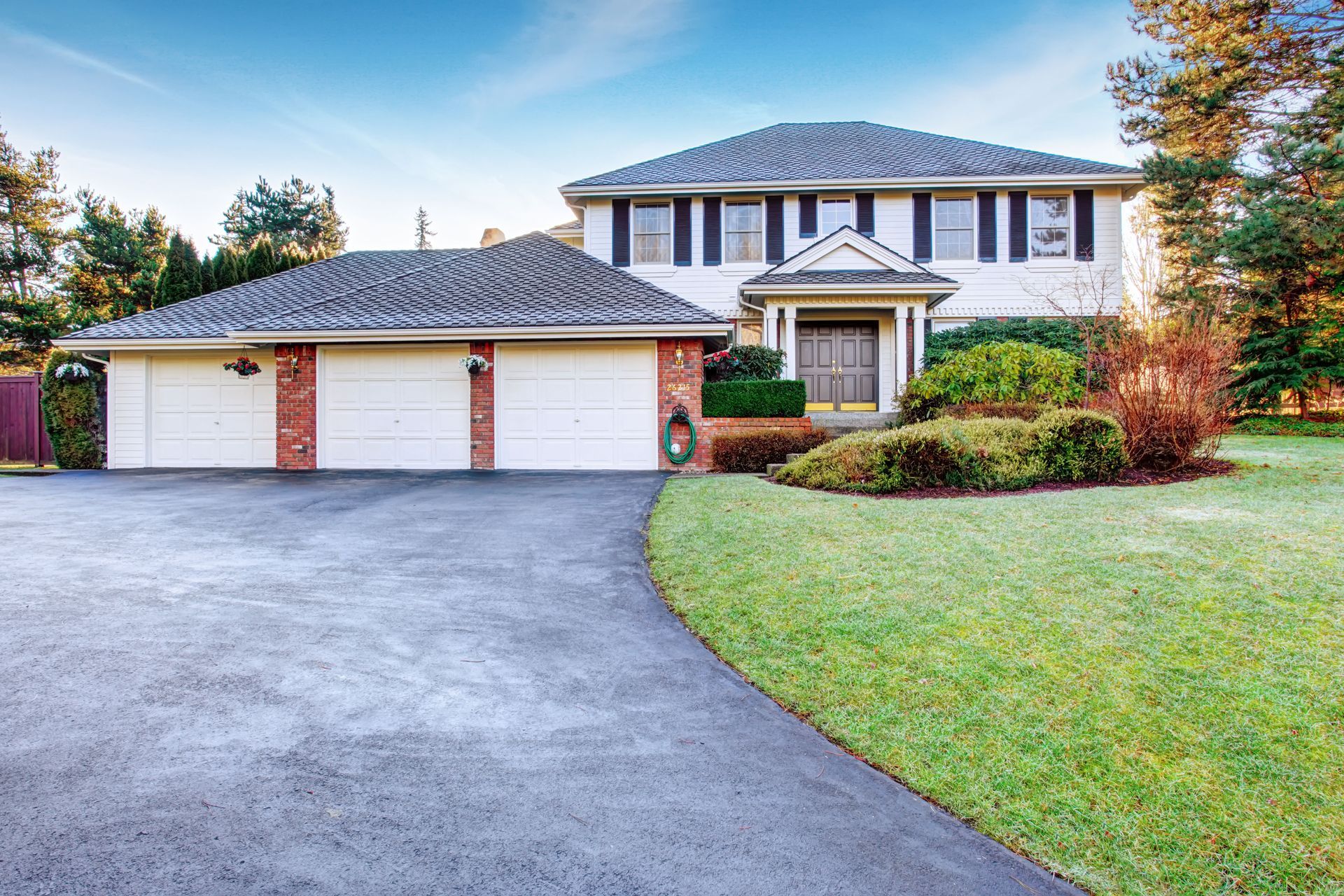
Curb appeal is a critical factor in the valuation and selling potential of residential properties, and masonry plays a pivotal role in maximizing it. The striking presence of masonry, from elegant brick facades to eye-catching stone accents, draws attention and leaves a lasting impression. Homes with strong curb appeal tend to sell faster and at higher prices, a fact well-understood by savvy homeowners and real estate agents. Masonry's ability to create a distinctive, memorable look translates directly into enhanced marketability and perceived value.
Masonry continues to stand the test of time, offering a multitude of benefits that make it an invaluable choice for residential hardscaping. Its durability, energy efficiency, and aesthetic appeal contribute to a higher quality of life while also enhancing property values. By making this choice with United Paving & Masonry, you invest not just in your property but in a legacy of strength, style, and security. Reach out to us today to get started!