June 16, 2026
A smooth, dark surface offers outstanding curb appeal and practical benefits for residential and commercial properties. Achieving this flawless finish requires extensive professional expertise, specialized equipment, and deep industry knowledge. A reputable asphalt paving service focuses on meticulous techniques to guarantee a resilient, enduring outcome. Property owners invest significant resources into upgrading exterior spaces, making longevity a primary concern. The foundation of any durable surface lies in the methodology contractors employ during installation.
Understanding the complex process reveals why professional intervention remains essential. Every phase of construction demands keen attention to detail and rigorous quality control. From evaluating the native soil to laying the final wear coat, skilled crews manage volatile variables like moisture, temperature, and weight distribution. Homeowners considering driveway paving must recognize the immense value of expert execution. Proper installation prevents premature cracking, shifting, and surface degradation, securing a durable financial investment for the future.
Establishing Subgrade Stability for Endurance
The secret to a resilient surface hides beneath the visible layer. An asphalt paving service begins by evaluating and preparing the critical subgrade. Subgrade refers to the native soil acting as the ultimate foundation for the structure. Crews remove vegetation, debris, and weak topsoil to reach a stable earth layer. This intensive excavation phase dictates the structural integrity of the complete project, preventing future collapse.
Contractors assess the soil composition to identify potential drainage issues. Clay-heavy earth retains water, causing swelling and eventual damage during freezing conditions. If crews detect unsuitable soil, they replace it with aggregate material to promote adequate drainage. Proper moisture management prevents water from undermining the foundational support. A dry, stable subgrade acts as a crucial defense against structural failure and erosion.
Compacting the earth forms the next critical phase in site preparation. Heavy machinery rolls over the excavated area to maximize soil density and bearing capacity. This action eliminates microscopic air pockets and creates an unyielding base. An asphalt paving service knows inadequate compaction leads to settling, surface rutting, and catastrophic failure. Proper compaction guarantees the ground can support heavy vehicles without shifting.
Once the subgrade achieves optimal density, contractors install the aggregate base course. This crushed stone layer distributes weight loads from vehicles down to the earth below. The base layer thickness varies depending on anticipated traffic and underlying soil conditions. Residential driveway paving projects require less aggregate than commercial roads, yet the fundamental principle remains identical: a strong base prevents surface collapse and extends usability.
Selecting Optimal Mixtures for Resilience
The composition of the blacktop material influences its performance and overall lifespan. Manufacturers combine various aggregates like sand, gravel, and crushed stone with a liquid asphalt binder. This viscous binder acts as a strong glue holding the rock components together. An asphalt paving service chooses specific mix designs tailored to the regional climate, local weather patterns, and the intended application of the pavement.
Temperature plays a vital role in mixture selection and field application. Hot mix asphalt requires high temperatures during production at the plant and placement at the site. The heat keeps the binder fluid, allowing crews to spread the material in a flat layer. Contractors must coordinate deliveries to ensure the mixture arrives at the job site at the correct temperature. If the material cools, workability decreases, compromising the final finish.
Surface mixes differ from base mixes in aggregate size and binder ratio. Base layers utilize larger stones for maximum load-bearing capacity and structural fortitude. Surface layers incorporate finer aggregates to create a smooth, weather-resistant top finish. Using the correct blend for each distinct layer guarantees both core strength and exterior aesthetic appeal. Proper layering prevents moisture infiltration and structural deterioration.
Environmental factors also dictate specific mixture choices. Regions experiencing intense freeze-thaw cycles require flexible binders capable of expanding and contracting without fracturing. Experienced contractors evaluate local weather patterns to select the most suitable and adaptive materials. For any driveway paving job, matching the chemical mix to environmental demands prevents seasonal deterioration and protects the property owner's investment from harsh climate impacts.
Executing Precise Compaction for Density
The application phase demands speed, precision, and the right heavy equipment. Specialized paving machines spread the hot mixture across the prepared rock base. Sensors on these machines control the thickness and slope of the asphalt mat. An asphalt paving service monitors these automated controls to ensure uniform distribution and proper water runoff angles. Correct thickness prevents weak spots prone to crumbling.
Standing water acts as a major enemy to any paved surface. Contractors design the slope to direct rain away from the center and toward designated drainage zones. Puddles cause moisture penetration, weakening the chemical binder and causing potholes. Achieving the correct grade during the mechanical spreading phase represents a non-negotiable requirement for long-term success and minimal maintenance.
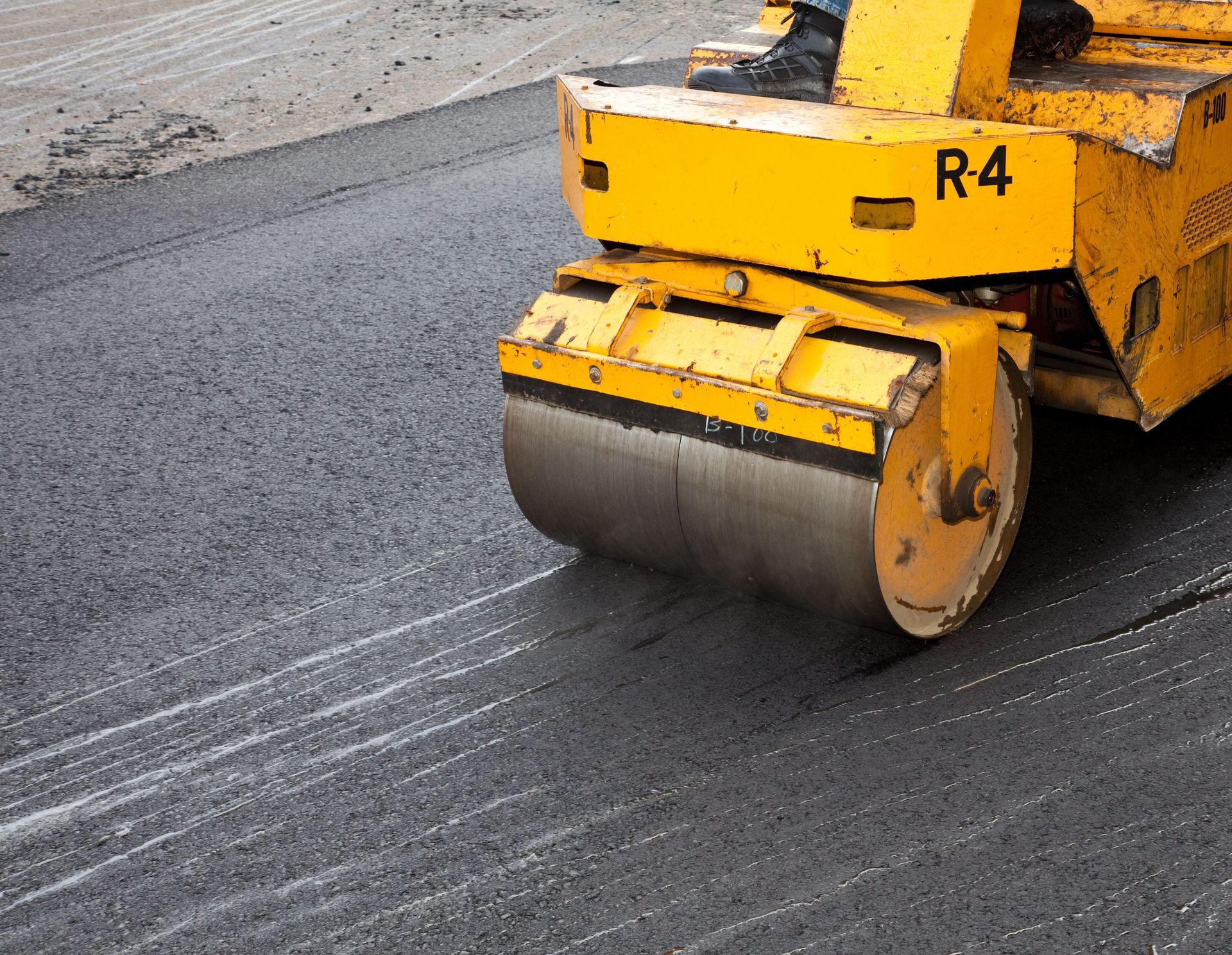
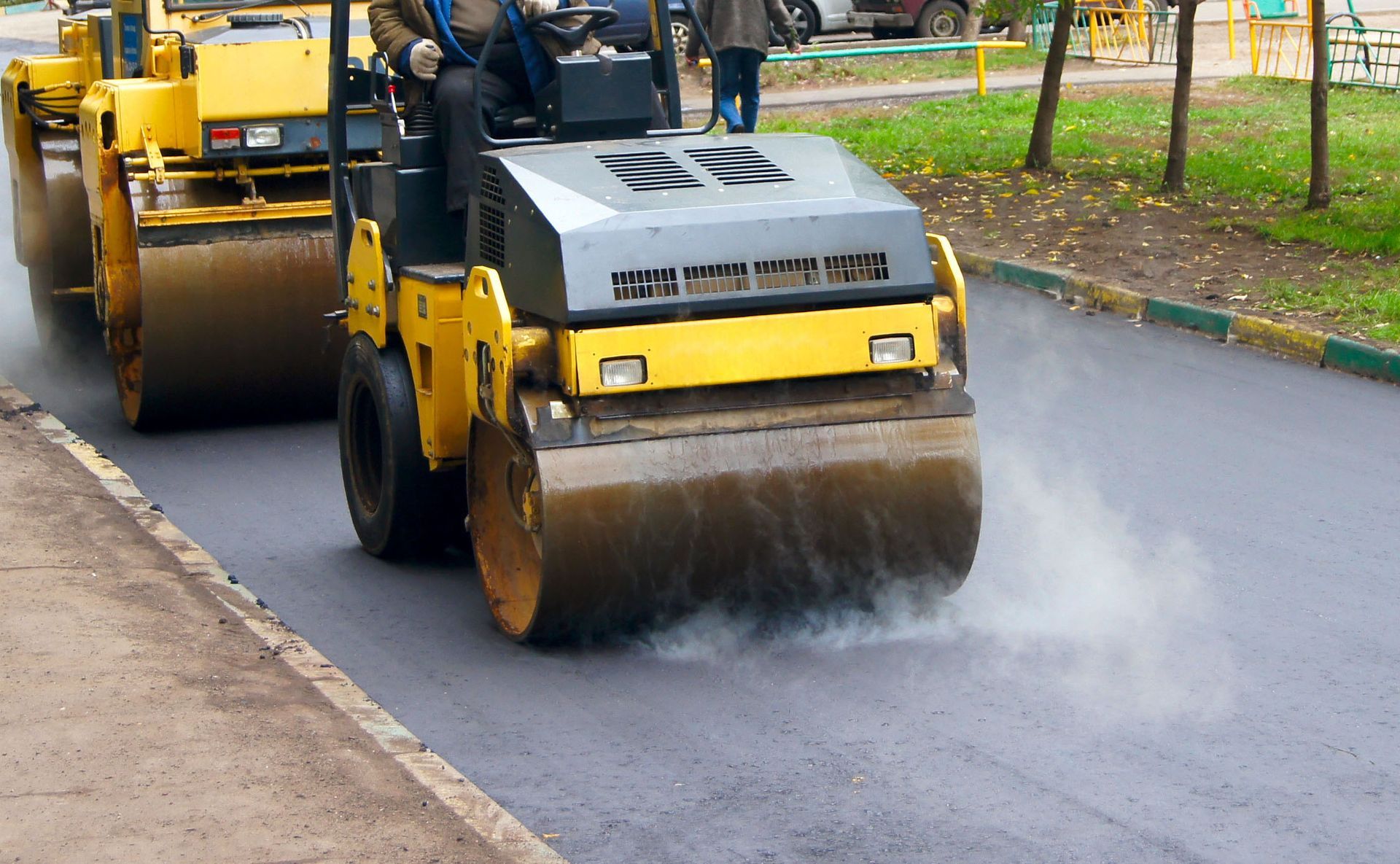
Roller operators follow close behind the heavy paving machines. Compaction must occur while the bituminous mixture remains hot and pliable. Heavy steel-wheeled and pneumatic-tire rollers press the material, eliminating internal voids and locking the stone aggregates together. This critical process increases the density of the surface, making it impermeable to water and strong and resistant to heavy vehicular loads.
The rolling pattern requires a systematic, methodical approach. Operators make multiple passes over the fresh mat, working from the outer edges toward the center. This technique prevents the hot material from spreading outward and maintains clean, straight edges. For a residential driveway paving installation, meticulous compaction guarantees the surface will withstand daily vehicle traffic without rutting, cracking, or degrading.
Implementing Protective Measures for Longevity
The completion of the rolling process does not mark the end of pavement lifecycle management. The brand-new surface requires adequate time to cure and harden. Vehicles must stay out of the area during this critical curing period to prevent damage. An asphalt paving service advises property owners on appropriate waiting periods to prevent deformation, tire marks, and structural compromise.
Oxygen and ultraviolet rays initiate oxidation, causing the asphalt binder to lose flexibility. The surface fades from deep black to dull gray, becoming brittle and prone to structural cracking. Preventive maintenance combats this natural aging process. Contractors recommend applying a protective sealcoat after the curing phase completes to lock out harmful elements and preserve the binder.
Sealcoating acts as a robust shield against harsh weather, vehicle fluids, and intense sunlight. According to This Old House, asphalt paving can last between 15 and 20 years if sealed. This crucial maintenance task replenishes lost surface oils and restores the rich appearance of the pavement. Applying sealant requires thorough cleaning and preparation of the existing blacktop.
Property owners should establish a routine, proactive maintenance schedule. Filling small surface cracks prevents water from reaching the vulnerable base layer. Periodic professional inspections help identify minor issues before they escalate into major failures. Regular upkeep extends the life of any driveway paving project, maximizing the financial return on investment and maintaining pristine property aesthetics.
A pristine blacktop surface elevates property value and provides tangible functional benefits. Achieving these pristine results requires much more than just spreading black rock. It demands comprehensive site preparation, strategic material selection, and expert mechanical execution. Professional contractors understand the complex science behind structural integrity and weather resistance. Their methodical approach mitigates risks and guarantees a durable, beautiful finish.
Investing in professional installation and routine maintenance yields significant long-term rewards. From massive commercial parking lots to a simple residential driveway paving project, the core principles of quality construction remain consistent. By prioritizing a strong aggregate base, optimal hot compaction, and protective sealants, property owners can enjoy a smooth, resilient surface. Quality craftsmanship stands as the ultimate defense against the elements. Contact United Paving & Masonry today to schedule a consultation for your next driveway paving project. Let our experienced team deliver a flawless, enduring surface that enhances your property for years to come.