July 23, 2026
Embarking on a home improvement journey often begins with the exterior, and upgrading your property's entrance is a significant step. A fresh, smooth surface not only boosts curb appeal but also provides a safe, welcoming, and functional area for vehicles and pedestrians. Knowing exactly what happens during a driveway paving installation can help homeowners feel more prepared and less stressed about the impending construction. The entire process involves multiple, carefully orchestrated stages, from the initial evaluation of the dirt to the final touches on the cured surface. Each of these stages requires professional expertise, specialized tools, and heavy machinery working in tandem. By understanding the timeline and the specific sequence of events, you can better coordinate your daily schedule, arrange alternative parking, and ensure a seamless experience. This comprehensive guide will walk you through the standard procedures, giving you a clear picture of what the professional contractors will be doing on your property. Expect a remarkable transformation that requires patience, as the construction team meticulously crafts a highly durable and visually appealing pathway to your home.
Evaluating the Project Site
Before any physical work begins, contractors must thoroughly assess the existing conditions of your property. This crucial evaluation phase is necessary for determining the complete scope of the project and identifying any potential, hidden challenges. The professional team will examine the soil quality, the current natural drainage patterns, and any existing structures that might interfere with the installation. Proper driveway paving requires a deep, solid understanding of the terrain to ensure the final surface is exceptionally stable and long-lasting. During this initial site visit, professionals will also plan the complex grading strategy required to prevent water pooling, which is a common cause of rapid surface degradation. They will measure the area meticulously to order the correct amount of raw materials and strategically map out the logistics for heavy equipment access. Homeowners should use this valuable time to ask detailed questions and discuss any specific concerns regarding the layout, the chosen materials, or the anticipated timeline. Clear, open communication at this stage sets the necessary foundation for a highly successful and satisfactory project execution that meets all aesthetic and structural expectations.
Preparing the Ground Surface
Once the thorough evaluation is complete, the physical labor officially commences with the rigorous preparation of the site. This demanding phase involves clearing the area of any existing pavement, scattered debris, overgrown vegetation, or large rocks that could obstruct the new installation. Contractors bring in powerful excavators and other heavy machinery to carefully dig up the old surface and completely remove the unstable, soft topsoil. Establishing a firm and unyielding foundation is an absolute necessity for any driveway paving project to succeed and endure the elements. After the deep excavation, the crew will expertly grade the raw dirt to create a highly precise slope, ensuring that rainwater flows safely away from your home's foundation and the surface itself. This slope is calculated carefully because improper water drainage can silently undermine the entire structure over time, leading to catastrophic failure. The preparation phase can be quite noisy and messy, so homeowners should plan accordingly and keep children or pets safely away from the active construction zone. The sheer thoroughness of this foundational groundwork directly dictates the ultimate resilience of the new surface.
Laying the Base Foundation
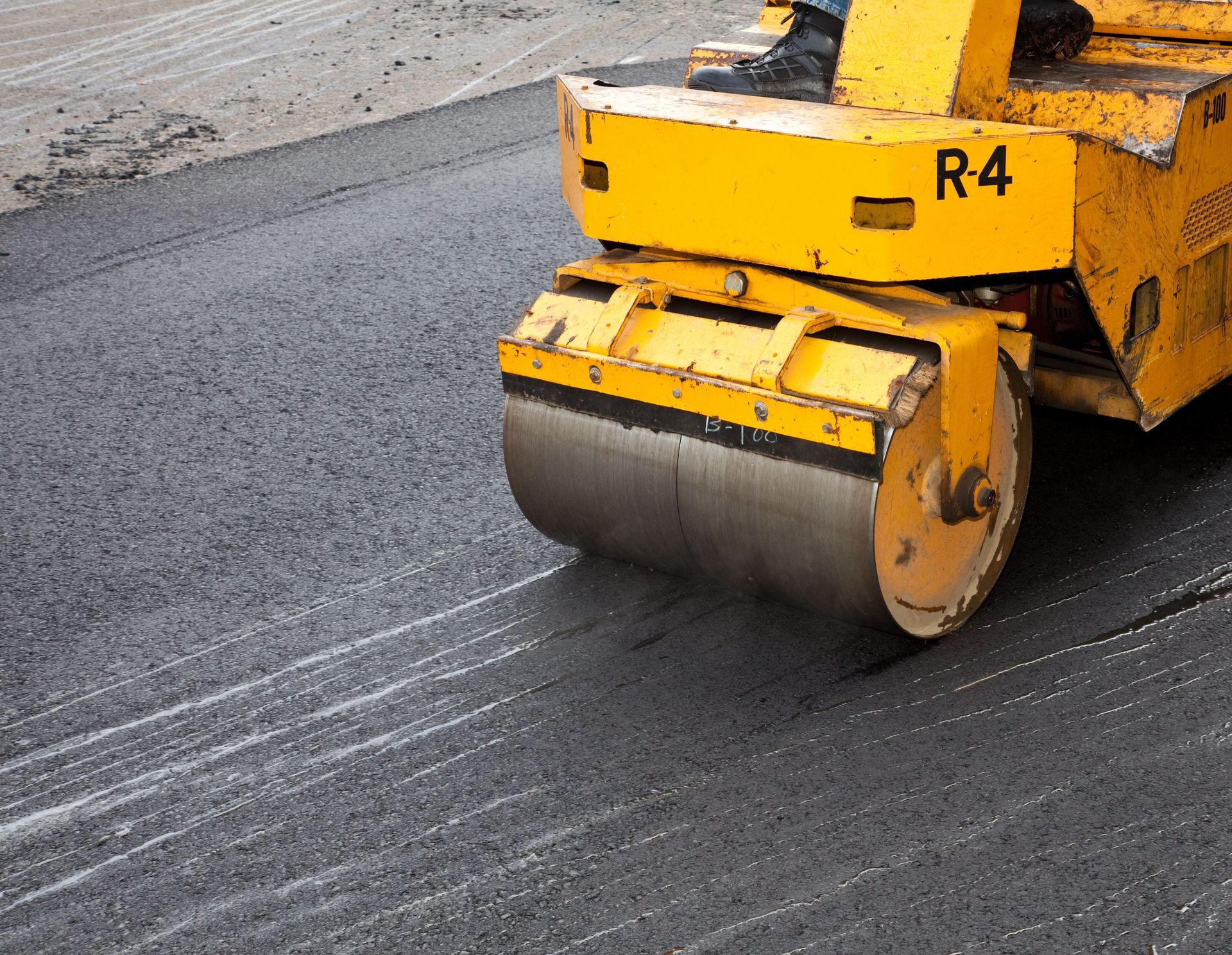
With the ground cleared and correctly sloped, the experienced team moves on to laying the highly critical foundational sub-base. This dense layer typically consists of crushed stone or angular gravel, which acts as a powerful stabilizing force and a highly effective drainage aid. The sub-base material is spread evenly across the excavated area and then forcefully compacted using massive, heavy rolling machines. The sheer importance of this step cannot be overstated, as a poorly compacted base will inevitably lead to rapid shifting and extensive cracking of the top surface layer. Proper driveway paving demands a densely packed base that can easily support the immense weight of multiple vehicles without yielding or sinking. The dedicated contractors will repeatedly roll over the stones until they tightly lock together into a rigid, completely unmoving layer. Sometimes, a specialized geotextile fabric is laid down just before the stone to keep the soft soil and the hard sub-base from mixing, further enhancing the overall structural integrity. This meticulous foundational work absolutely ensures the maximum longevity and unmatched durability of the entire installation.
Installing the Paving Material
After the base is thoroughly compacted and strictly inspected, the actual surface material is finally applied to the prepared area. Large dump trucks arrive carrying the hot asphalt or the fresh concrete mix, and the skilled crew works quickly to spread it before it loses its optimal, workable consistency. Specialized paving machines are used to distribute the material perfectly evenly, ensuring a completely consistent thickness across the entire designated area. In the demanding realm of driveway paving, swift and highly precise application is absolutely paramount to achieving a smooth, seamless, and attractive finish. Once the material is perfectly laid out, the heavy steel rollers return to compact the surface again, pressing it firmly into the sub-base and entirely eliminating any hidden air pockets. The outer edges are meticulously shaped and gently tapered to blend flawlessly with the surrounding landscaping, providing a highly polished and undeniably professional look. The contractors will also double-check the final slope to confidently confirm that the planned drainage system is functioning correctly. This phase is highly visual, and homeowners can finally see their beautiful new entrance taking its final form.
Maintaining the Finished Surface
The heavy construction might be entirely over, but ensuring the long-term longevity of your beautiful new surface requires ongoing, dedicated attention. Immediately after the installation, the fresh material needs a strict curing period to harden, cool, and settle completely. Homeowners must absolutely avoid driving or parking on the fresh surface for several days to prevent permanent indentations and severe structural damage. Once the area is completely ready for regular, daily use, keeping it meticulously clean from natural debris, chemical oil spills, and harsh automotive fluids will flawlessly preserve its appearance and structural integrity. Proactive, routine care is an essential, undeniable part of driveway paving ownership. According to This Old House, it's recommended to inspect for cracks or damage at least twice a year after paving. Catching these minor, tiny imperfections early allows you to easily address them before destructive water seeps in and completely undermines the hard base layer. Applying a high-quality, protective sealcoat when the time is perfectly right will also powerfully shield the surface from the harsh elements and extend its lifespan significantly. Regular, simple maintenance strictly ensures your financial investment remains beautiful and functional.
Upgrading your home’s entrance is a substantial undertaking that requires skill, precision, and a clear understanding of the construction process. A well-executed installation dramatically transforms the visual look of your property and provides a highly reliable, smooth surface for daily use. By familiarizing yourself with the various stages—from the initial site evaluation to the vital curing period—you can navigate the entire project with confidence and ease. The heavy machinery, meticulous grading, and careful compaction all play a crucial role in delivering a perfect result. Remember that high-quality driveway paving is an intricate craft that relies heavily on a solid foundation and proper water drainage solutions. Skipping vital steps or rushing the installation process inevitably leads to premature failure and costly repairs down the line. It is always best to rely on experienced professionals who possess the knowledge and equipment necessary to safely handle the job correctly. They can anticipate hidden challenges, provide effective solutions, and ensure that the final product meets the highest standards of durability and aesthetics. If you are ready to enhance your property with a beautiful and long-lasting surface, do not hesitate to reach out to the experts. Call United Paving & Masonry today to learn more and schedule your professional site evaluation.